Understanding Small Space Design Principles
In the ever-evolving world of urban living, small apartments are becoming increasingly common. To maximize both comfort and functionality, understanding small space design principles is essential. This article explores effective strategies and insights to help you optimize your living area.
Understanding the Basics of Small Space Design
Small space design focuses on creating functional and aesthetically pleasing environments within limited square footage. According to research by the American Institute of Architects, effective small space design can enhance user satisfaction and improve daily living. The key principles generally include:
- Multi-Functionality: Furniture that serves multiple purposes is a cornerstone of small space design. For instance, a sofa bed can provide seating during the day and a sleeping area at night.
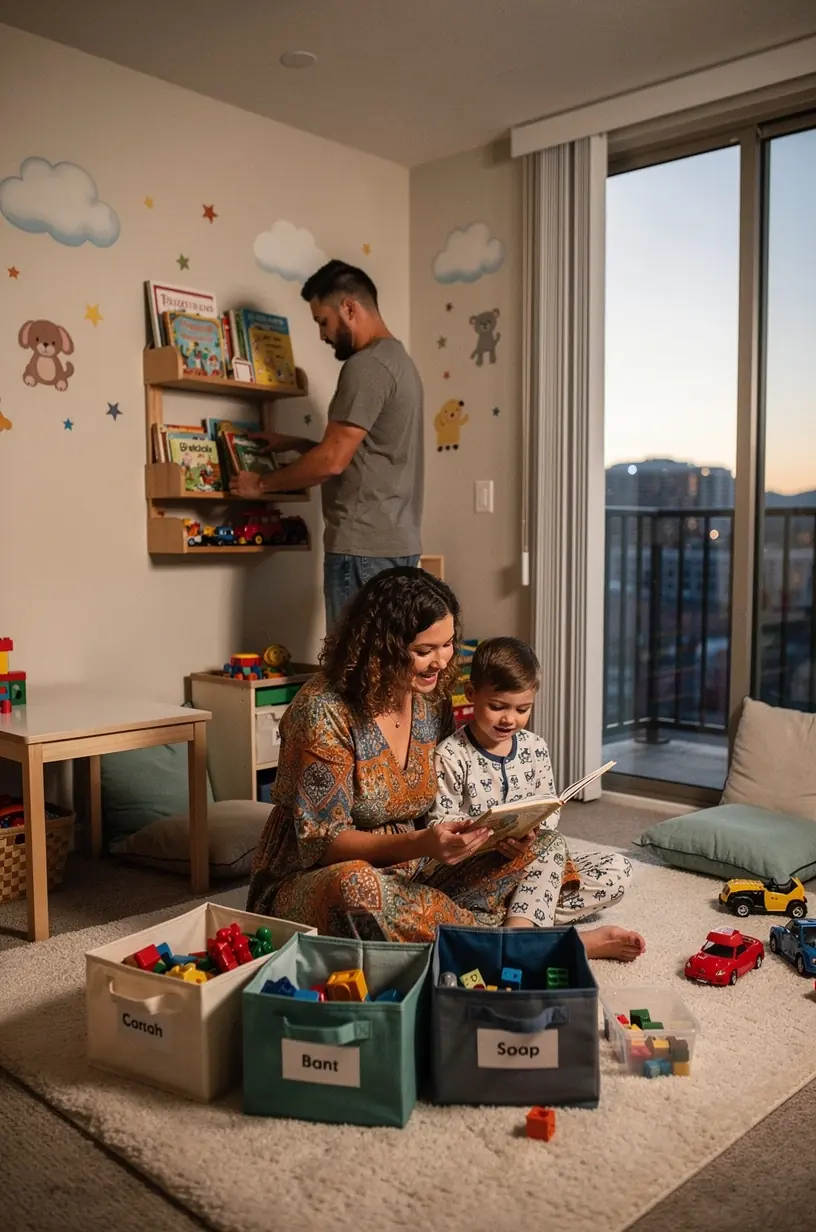
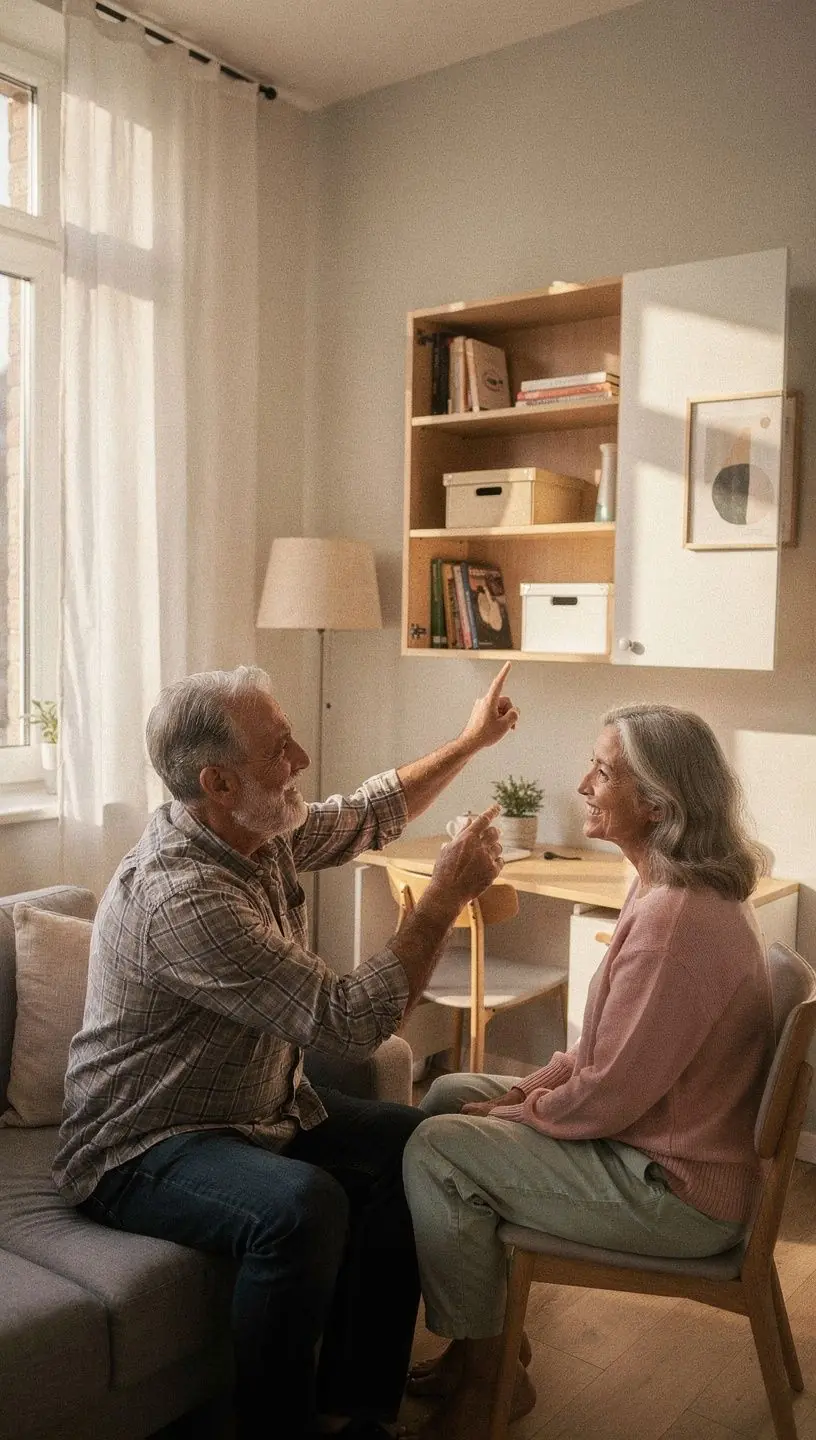
- Vertical Space Utilization: Utilizing wall space for storage and decoration can help free up floor space, making the apartment feel larger.
- Color and Light: Lighter colors and strategic lighting can create an illusion of space. Experts recommend using soft hues on walls to reflect light and enhance the sense of openness.
"Research indicates that well-designed small living spaces can increase comfort levels by nearly 30% in urban settings."
Practical Application of Design Principles
Implementing these principles requires thoughtful planning and a clear understanding of your needs. Here are several practical applications:
- Assess Your Needs: Consider what items you use daily and prioritize those in your design. This typically takes about a week of reflection and planning.
- Choose Multi-Functional Furniture: Look for items like ottomans with storage or extendable dining tables. Many users report that this approach not only saves space but also reduces clutter.
- Incorporate Open Shelving: Open shelves can display decor while providing storage. This works best when organized thoughtfully to avoid a cluttered appearance.
Acknowledging Limitations
While small space design can significantly improve your living environment, it is essential to acknowledge some limitations. For example:
- Designing a small space effectively often requires time and dedication, with many users noting that it typically takes 2-4 weeks to achieve satisfactory results.
- Some strategies may not be suitable for all lifestyle choices. For instance, those with extensive collections may find it challenging to downsize.
Conclusion
Understanding and applying small space design principles can lead to a more organized and pleasant living experience. While the process may require time and effort, the benefits of optimized functionality and improved aesthetics are well worth it. By focusing on multi-functional furniture, utilizing vertical space, and maintaining a strategic color palette, you can make the most of your small apartment. Remember, effective design is a journey, and with the right approach, your small space can become a comfortable haven.