Exploring Minimalist Layouts for Small Apartments
Living in a small apartment can be challenging, especially when it comes to maximizing space. Minimalist layouts, which focus on simplicity and functionality, can offer effective solutions for optimizing these compact living spaces. This article explores practical strategies for implementing minimalist designs that can enhance both the utility and aesthetic appeal of small apartments.
Understanding Minimalism in Interior Design
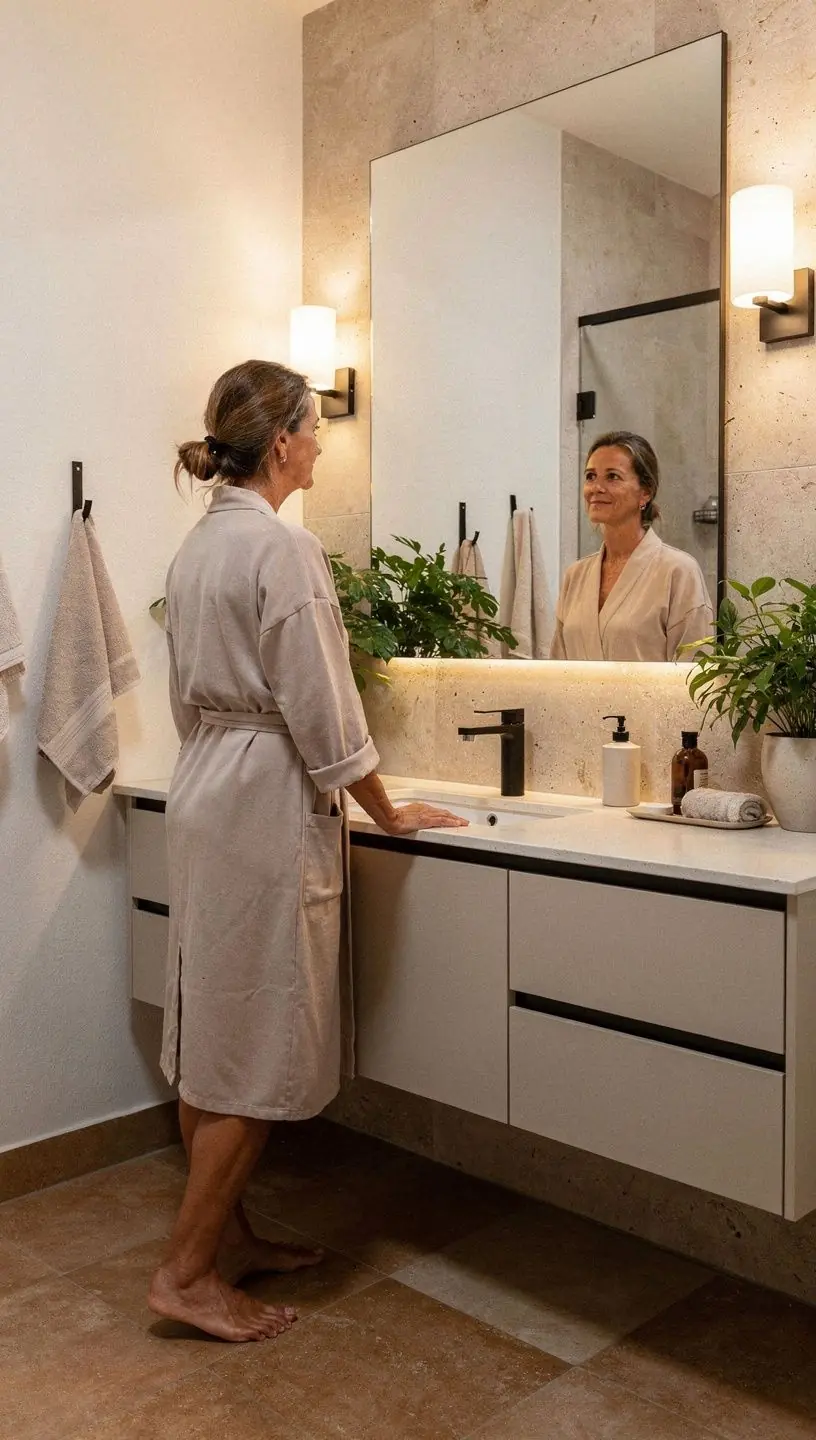
Minimalism in interior design is defined by a focus on essential elements and a reduction of excess. According to design experts, this approach can bring clarity and tranquility to small spaces. Studies indicate that minimalist environments can contribute to improved mental well-being, as they often reduce clutter and create a sense of calm.

"A minimalist approach not only maximizes space but also enhances the overall living experience by promoting a sense of order and peace." - Design Expert
Key Principles of Minimalist Layouts
Implementing minimalist designs involves several key principles:
- Functionality: Every item should serve a purpose. Furniture and decor should be carefully selected to fulfill practical needs while contributing to the overall aesthetic.
- Color Scheme: A neutral color palette is often recommended. Experts suggest that light colors can make a space feel larger and more open.
- Decluttering: Regularly assess your belongings to eliminate unnecessary items. Research notes that maintaining a clutter-free environment can improve focus and productivity.
Practical Tips for Creating a Minimalist Layout
To effectively implement a minimalist layout in your small apartment, consider the following practical tips:
- Choose Multi-Functional Furniture: Invest in furniture that serves multiple functions, such as a bed with storage drawers underneath or a coffee table that can expand into a dining table. This can enhance space efficiency.
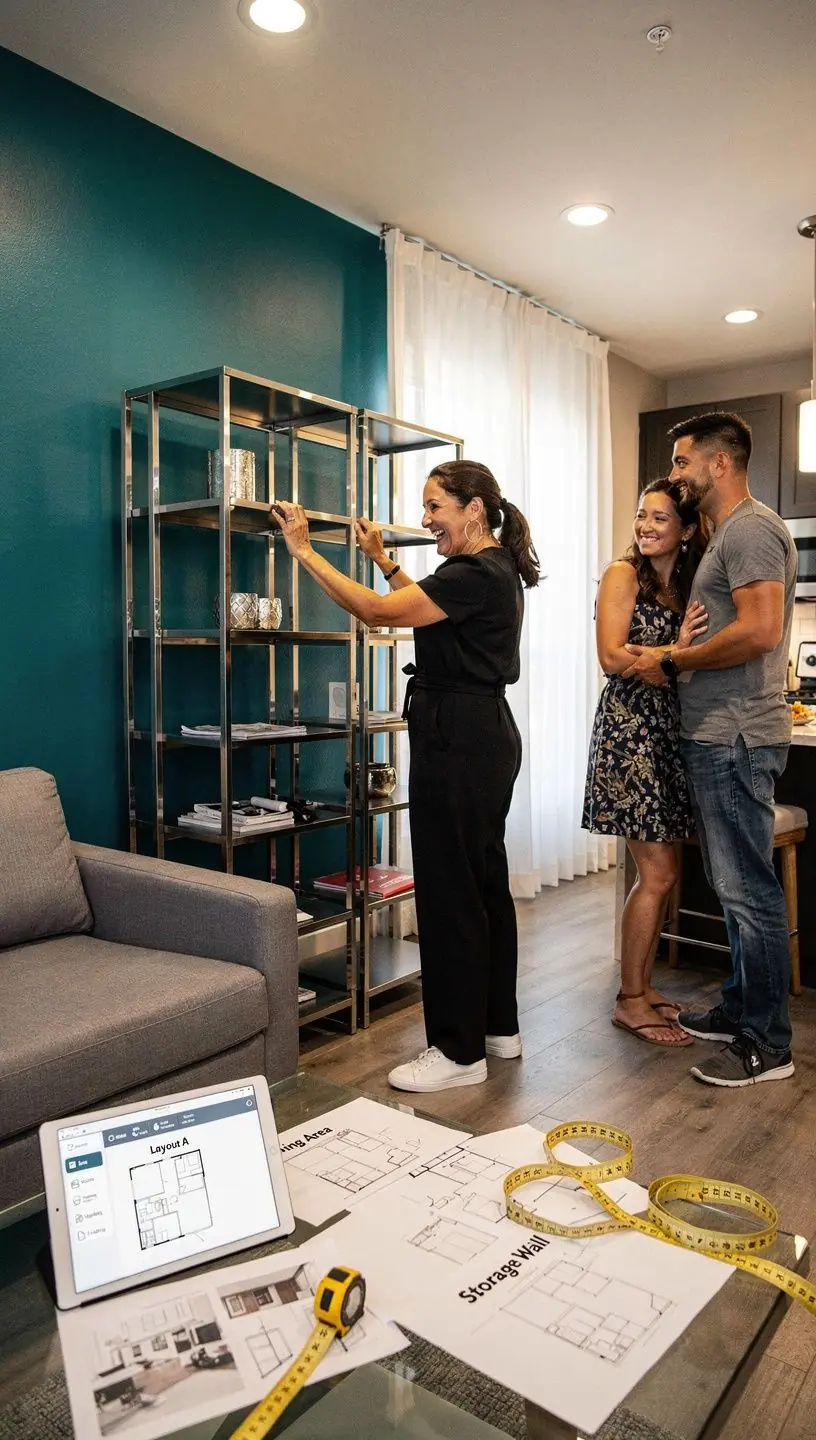
- Utilize Vertical Space: When floor space is limited, think vertically. Installing shelves or cabinets that go up to the ceiling can provide additional storage without taking up valuable floor space.
- Limit Decorative Elements: While decor can add personality, too many decorative items can lead to visual clutter. Experts recommend selecting a few statement pieces that reflect your style instead of overloading surfaces.
Challenges and Considerations
While embracing a minimalist layout can be beneficial, it is essential to acknowledge some potential challenges:
- The transition to a minimalist lifestyle often requires a commitment to decluttering and can take several weeks to achieve the desired results.
- It may involve a learning curve in terms of selecting appropriate furniture and decor that aligns with minimalist principles.
- This approach may not be suitable for individuals who prefer a more eclectic or maximalist style, highlighting the importance of personal preference in design choices.
Conclusion
Minimalist layouts can significantly improve the functionality and aesthetic of small apartments. By focusing on essential elements, utilizing vertical space, and selecting multi-functional furniture, residents can create an organized and peaceful living environment. While the transition to minimalism may require time and effort, many users report that the benefits, including enhanced mental clarity and increased living space, are worth the investment. Embracing simplicity can lead to a more fulfilling and harmonious home life.
Learn More