The Role of Color in Space Perception
The use of color in interior design can significantly influence how we perceive space, especially in small apartments. Understanding these principles can help optimize layouts and storage solutions.
Understanding the Basics
Color plays a critical role in how we perceive our surroundings. According to research published in the Journal of Environmental Psychology, colors can evoke emotions and shape our experiences within a space. For example, lighter shades typically create an illusion of openness, making rooms feel larger than they are.

"Colors can affect mood, perception, and even productivity in living spaces."
The Science Behind Color and Space
Experts recommend using a color palette that complements the size and function of a room. Here are some principles that illustrate how color affects spatial perception:
- Light Colors Expand Space: Light hues like whites, pastels, and soft neutrals tend to reflect more light, which can make a small area appear more spacious. This is particularly beneficial in compact apartments.
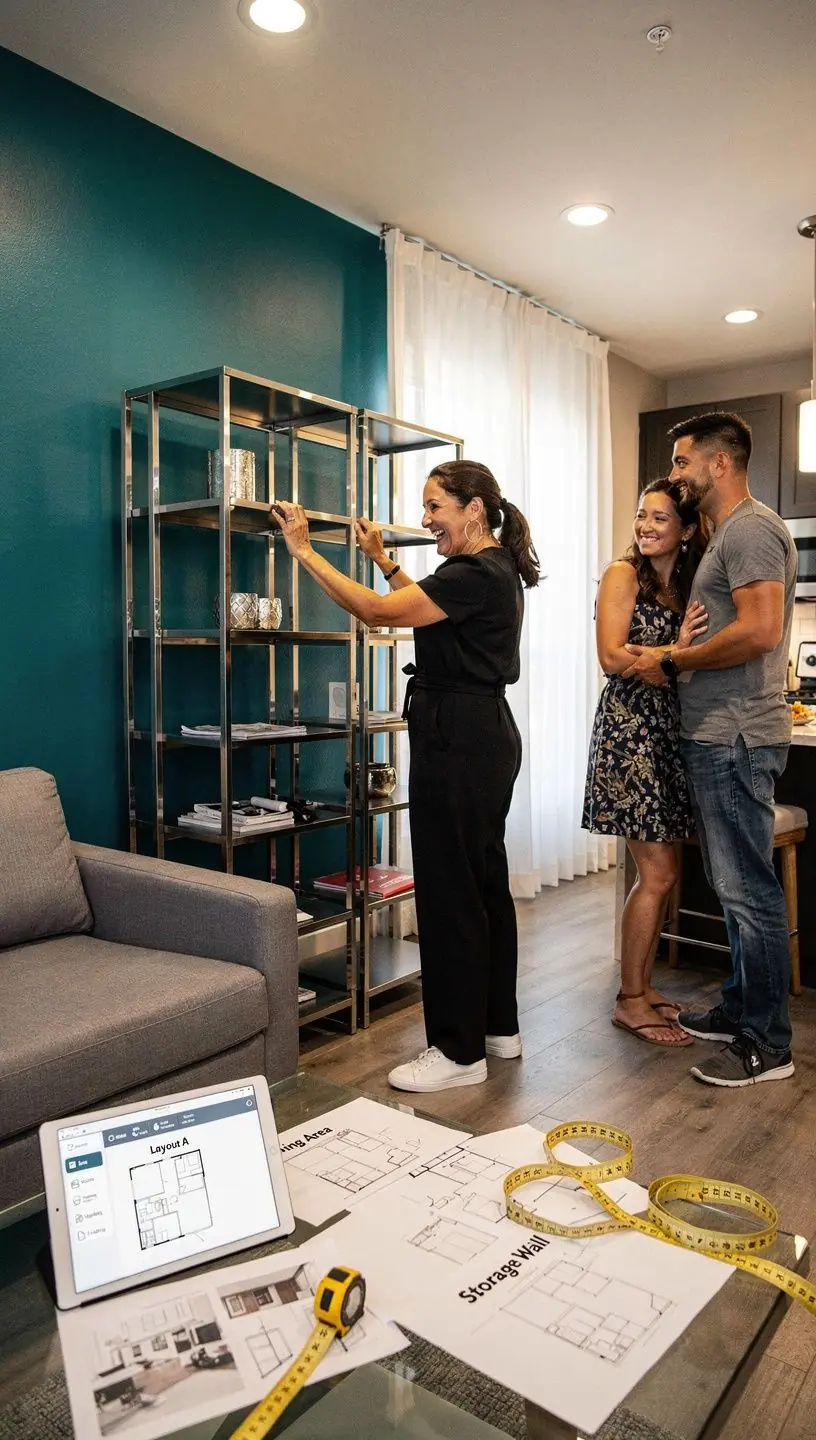
- Dark Colors Create Intimacy: Darker shades can make a room feel cozier but may also close in the space. They are best used in larger areas or as accent colors to create depth.
- Color Contrast Affects Depth: Using contrasting colors between walls and furnishings can enhance the perception of space. For instance, pairing a bright wall color with darker furniture may provide a greater sense of dimension.
Practical Application for Small Apartments
When considering a color scheme for small apartments, it’s essential to think about the overall atmosphere you wish to create. Here are some practical tips:
- Choose a Cohesive Color Scheme: A unified palette across rooms can make the entire apartment feel more expansive. Many users report that using variations of a single color can unify spaces.
- Incorporate Natural Light: Colors interact with light. Experts suggest maximizing natural light by using sheer window treatments and reflective surfaces, which can enhance the effectiveness of your chosen colors.
- Utilize Color Psychology: Different colors can evoke varying emotional responses. For instance, soft blues and greens are often associated with tranquility, making them ideal for bedrooms.
Conclusion
Incorporating color effectively can significantly improve the perception of space in small apartments. By understanding the psychological effects of color and applying considered choices, individuals can create environments that feel both functional and inviting. Remember, these approaches typically yield the best results when paired with optimal layout and storage strategies, allowing for both aesthetic appeal and practicality.
Learn More