Designing Open-Concept Living Areas Effectively
Open-concept living areas have gained popularity as more individuals seek to maximize space in smaller apartments. However, effective design requires careful planning and consideration of various elements to create a functional and aesthetically pleasing environment. This article explores practical strategies for optimizing open-concept living areas through thoughtful storage solutions and layout systems.
Understanding the Basics of Open-Concept Design
Open-concept living areas typically combine multiple functional spaces—such as the kitchen, dining, and living room—into a single cohesive area. This design trend is favored for its ability to create an illusion of spaciousness and encourage social interaction among occupants. According to a study by the National Association of Home Builders, homes with open layouts are often perceived as more inviting and functional, particularly in urban settings where space is limited.
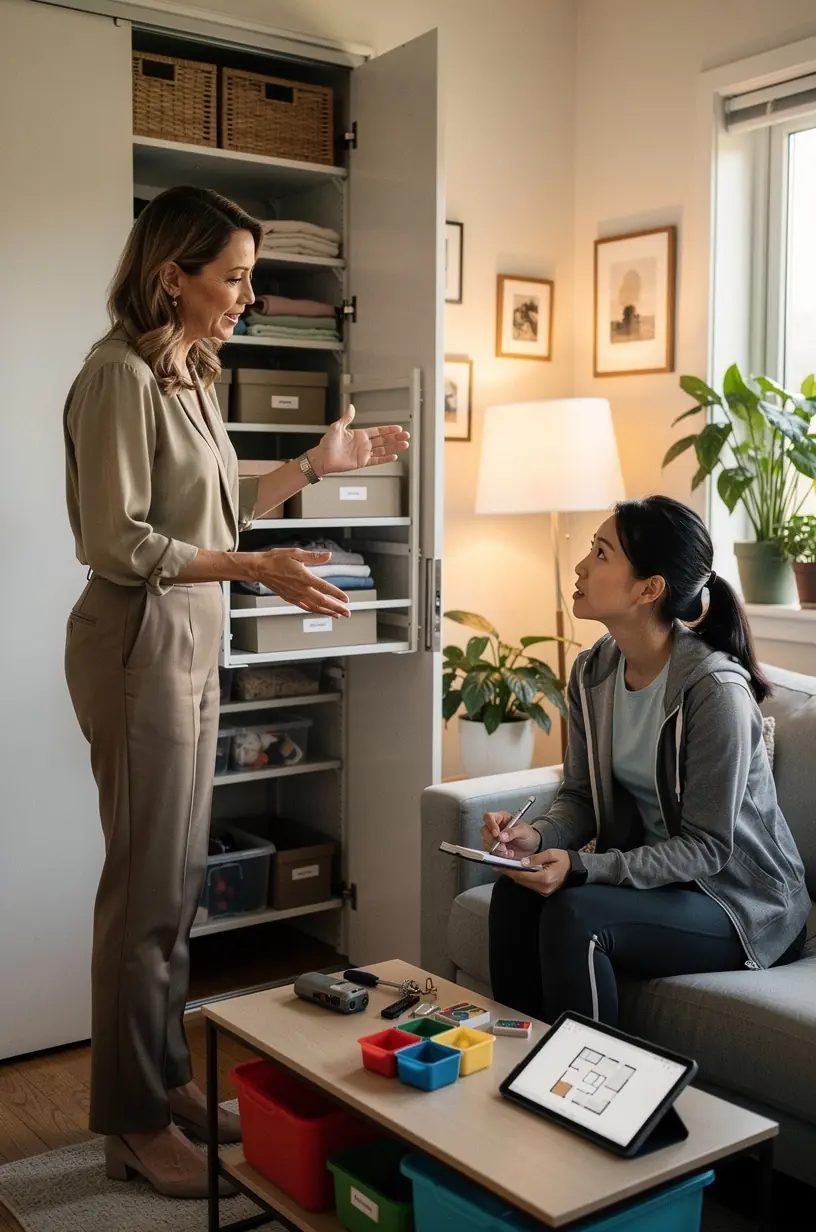
"Open-concept living can enhance the flow of a home, making it feel larger and more connected." – Design Expert
Practical Strategies for Effective Open-Concept Living
Implementing practical storage solutions and layout systems can significantly improve the functionality of open-concept spaces. Below are several strategies that can help:
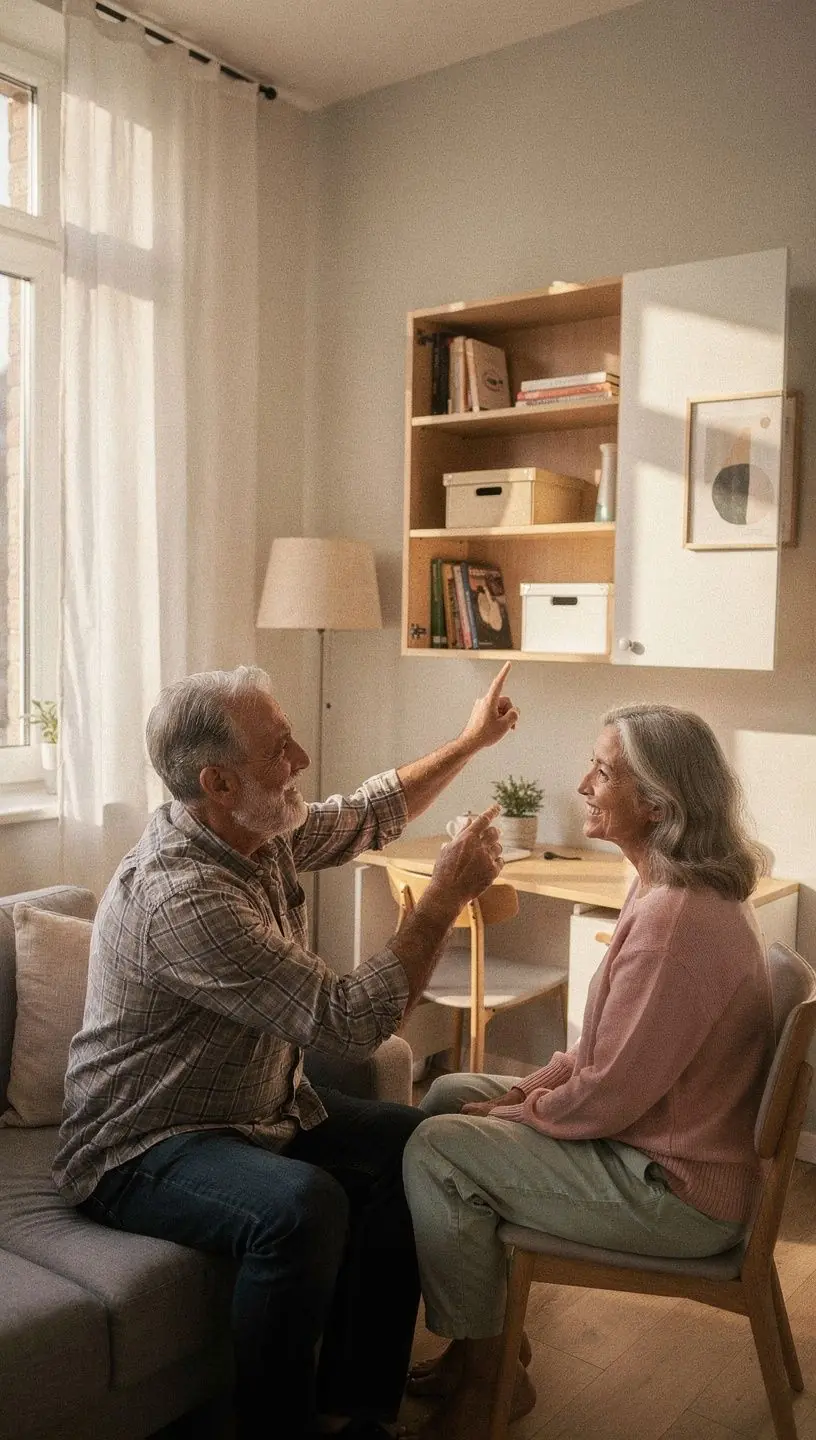
- Utilize Vertical Space: Many experts recommend incorporating tall shelving units and cabinets to draw the eye upward, effectively utilizing vertical space. This approach not only provides additional storage but also creates a feeling of height and openness.
- Define Zones with Furniture Arrangement: Arranging furniture to create distinct zones can help delineate different areas within an open-concept space. For instance, using area rugs or strategically placing furniture can visually separate the living and dining areas, making the space feel more organized.
- Incorporate Multi-Functional Pieces: Choosing furniture that serves multiple purposes—such as a coffee table that doubles as a storage unit—can optimize the available space. According to research, multi-functional furniture is increasingly popular in small living environments, as it can enhance both utility and aesthetics.
Setting Realistic Expectations
While these strategies can be effective, it’s essential to acknowledge the time and effort involved in designing an open-concept living area. Typically, the entire process from planning to execution may take anywhere from 4 to 8 weeks, depending on the complexity of the design and the availability of materials. Additionally, adapting to this new layout may require an adjustment period, as residents adapt to their new living dynamics.
Conclusion
Designing effective open-concept living areas is a process that involves thoughtful consideration of layout, storage solutions, and furniture choice. By utilizing vertical space, defining zones with furniture arrangements, and incorporating multi-functional pieces, residents can create inviting, practical, and efficient living environments. While the journey requires time and effort, the payoff—an enhanced living experience—is often well worth it. For those looking to navigate this process, working with a space optimization agency can offer valuable expertise and tailored solutions to meet individual needs.