Understanding the Psychology of Clutter and Space
In small apartments, maximizing space can be a challenge. Understanding the psychology behind clutter can provide insights into how we can better utilize our living areas. This article explores the relationship between clutter and mental well-being, offering practical strategies for creating an organized and efficient living space.
Understanding the Basics of Clutter
Clutter is not just a physical issue; it also has significant psychological implications. According to research from the American Psychological Association, living in a cluttered environment can increase stress levels and feelings of anxiety. Many users report that excessive clutter can negatively impact their ability to focus and function effectively at home.

"A cluttered environment can hinder our ability to concentrate and process information." - Dr. Julie T. McCarthy, Organizational Psychologist
The Emotional Impact of Clutter
Our surroundings often reflect our mental state. Studies show that individuals living in cluttered spaces may experience a greater sense of overwhelm and frustration. This phenomenon is supported by the concept of visual noise, which suggests that disorganized environments can be mentally taxing. Addressing clutter can thus lead to improved emotional well-being and productivity.
Practical Applications for Small Apartment Living
- Declutter Regularly: A routine decluttering session, which may take 15-30 minutes weekly, can help maintain an organized space. Experts recommend focusing on one area at a time to avoid feeling overwhelmed.
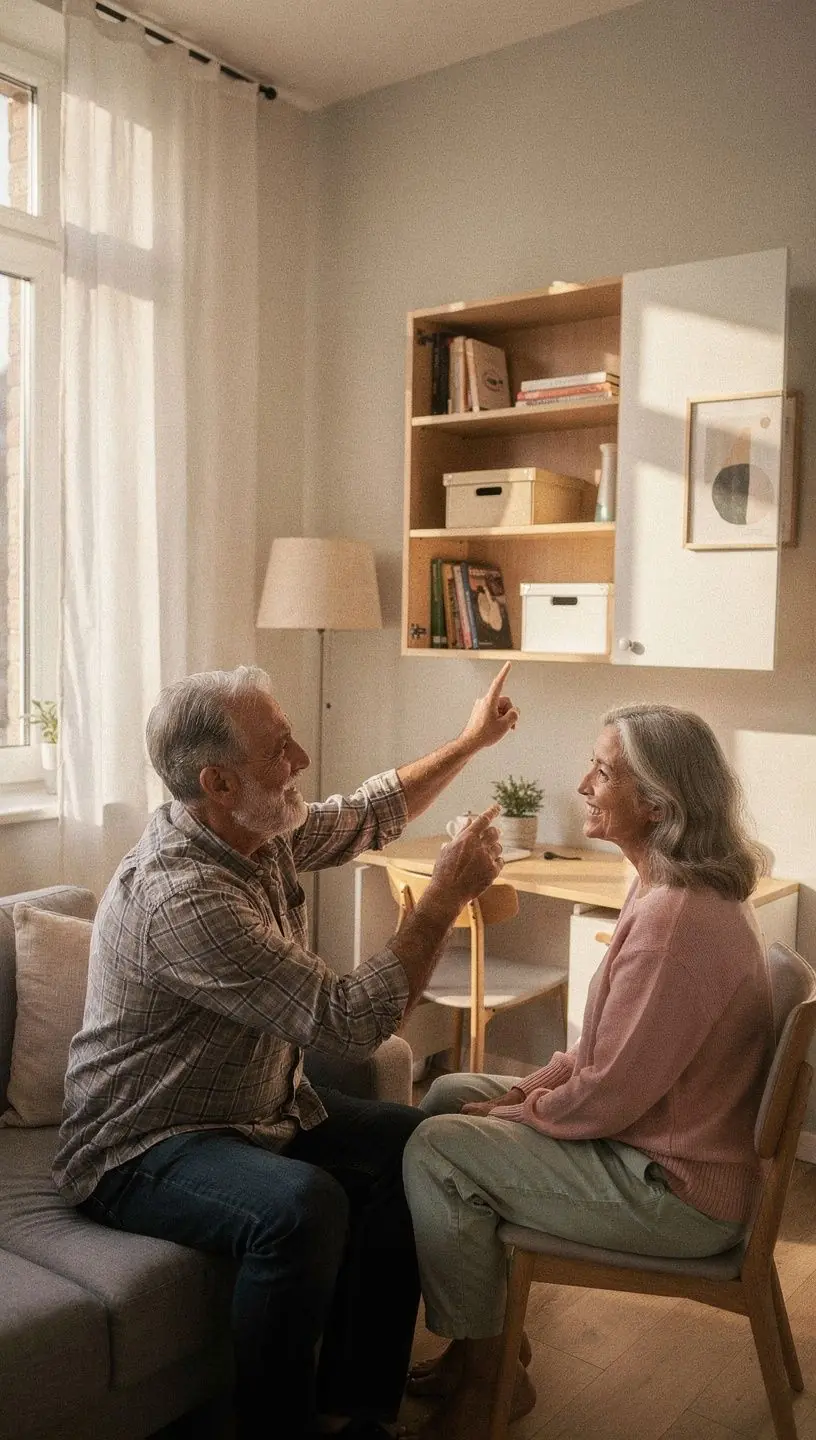
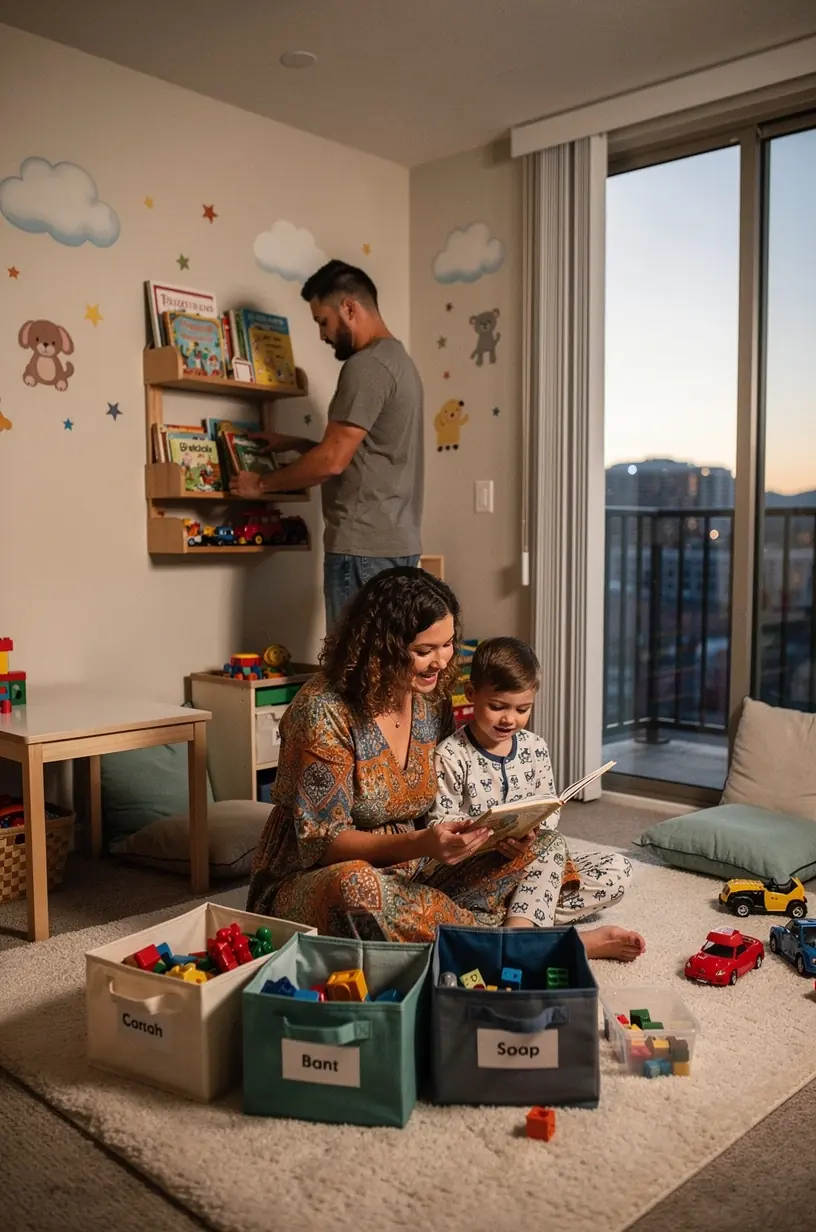
- Utilize Vertical Space: In small apartments, utilizing vertical storage options (like shelves and wall-mounted organizers) can optimize space and reduce clutter. This approach works best when combined with a mindset of minimalism.
- Designate Specific Areas: Create defined zones for different activities (e.g., work, relaxation, dining) within your apartment. This helps in organizing items according to their use, which may improve both functionality and aesthetics.
Creating a Positive Environment
By recognizing the impact of clutter on our mental health, we can take steps towards creating a more organized living space. Many users find that adopting a minimalist approach not only enhances their physical environment but also promotes a clearer state of mind.
Conclusion
Understanding the psychology of clutter is essential for anyone living in a small apartment. By implementing practical strategies for organization, individuals can significantly improve their living conditions and overall well-being. While decluttering and space optimization may require time and effort, the benefits—such as reduced stress and enhanced productivity—are often worth it. Remember, creating an organized space is a journey that may take time and dedication, but it can lead to a more fulfilling lifestyle.